

General Information
It is the largest university in Berlin.
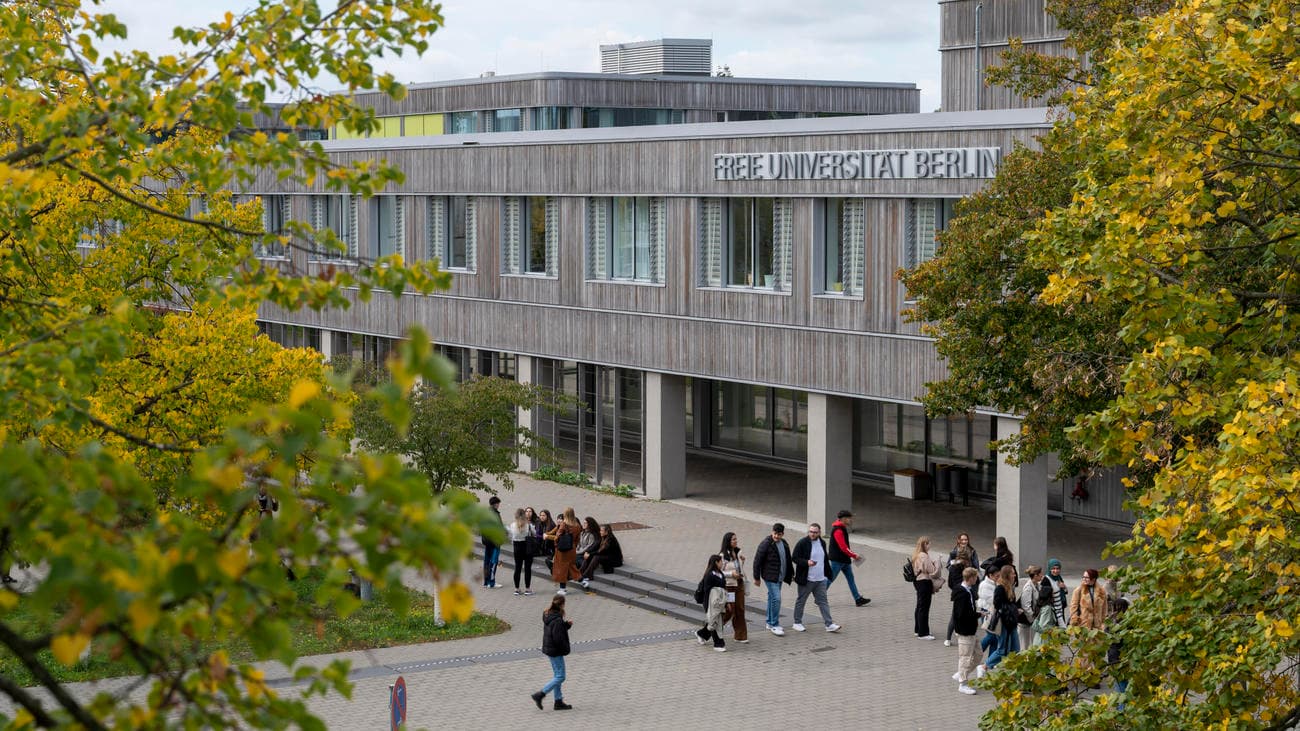
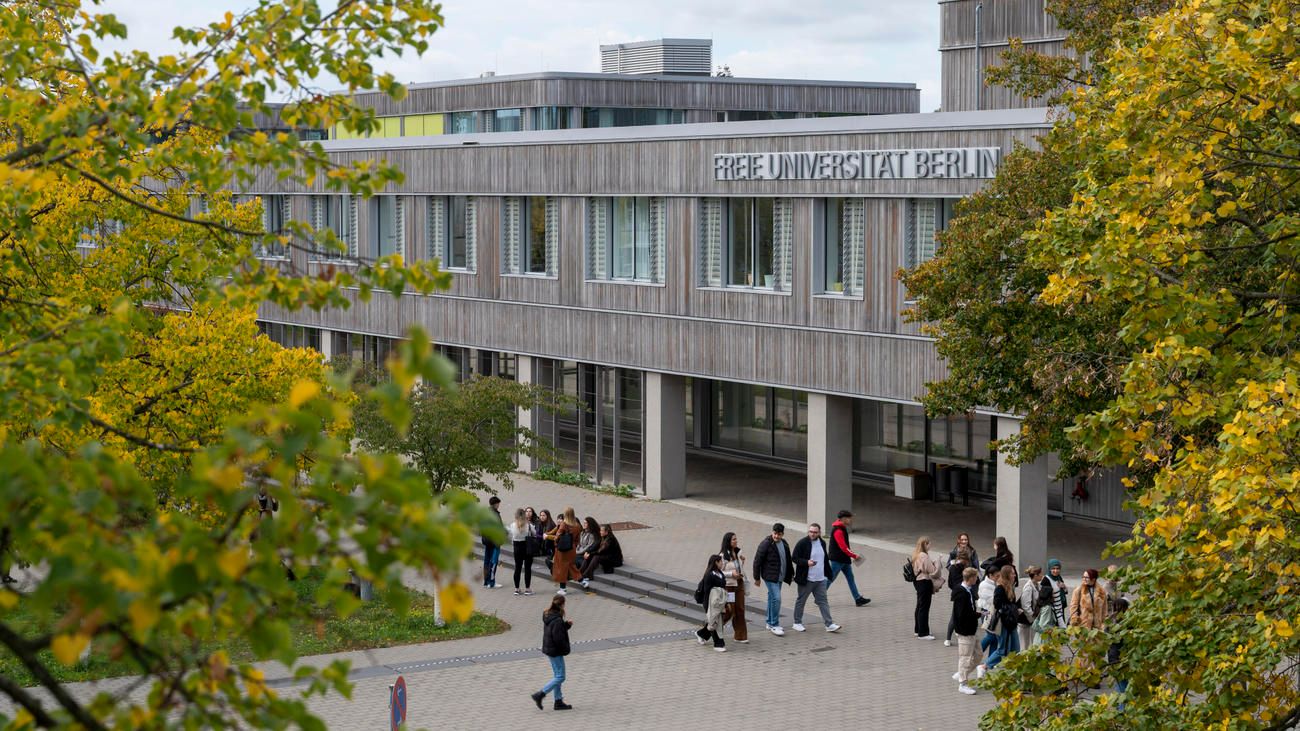
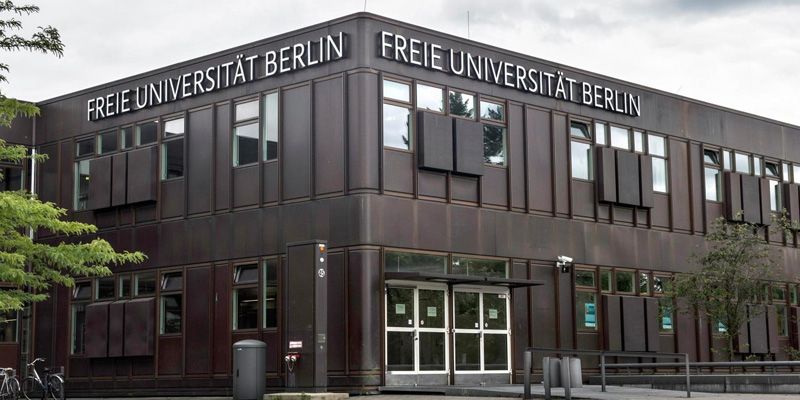
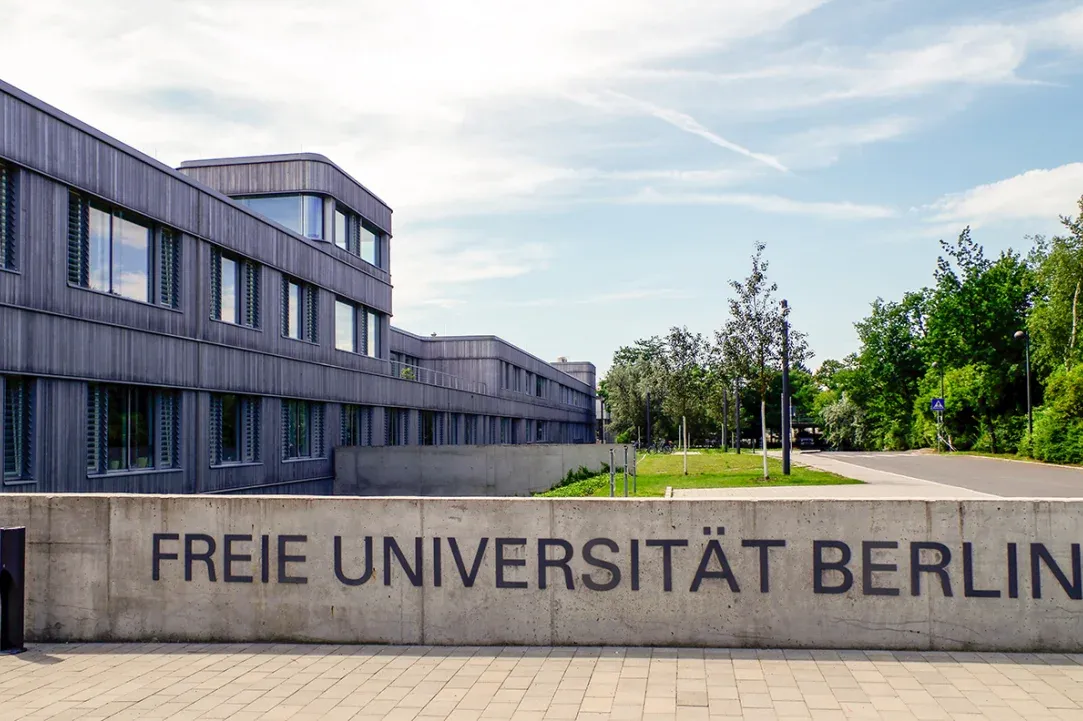
Freie Universität Berlin, also called FU Berlin or simply FU, is a research university in Berlin, Germany, and the largest university in the city. One of Germany’s most distinguished universities, Freie Universität Berlin is renowned for its research in the humanities and social sciences and in the health and natural sciences.
Freie Universität Berlin was founded in 1948 in West Berlin, in the early years of the Cold War, with American support, as a de facto continuation of Frederick William University, which was located in East Berlin and faced strong communist pressure. Its name expresses that it is part of the “Western Free World” in West Berlin, in contrast to the “unfree” Communist world in general and to Frederick William University under “unfree” communist control in East Berlin in particular.
Freie Universität Berlin is one of the eleven distinguished German universities in the German Universities Excellence Initiative. In 2008, through a joint effort, Freie Universität Berlin, the Hertie School of Governance and the WZB Berlin Social Science Center together founded the Berlin Transnational National Schools.
According to 2018 data, the university has a total of 33,000 students, among whom international students are represented at both the bachelor’s and the master’s level. The university has approximately 4,450 faculty members, including a total of 358 professors.
The university, which offers education in 178 departments, had a total budget of 472 million Euro according to 2017 data; 340 million Euro of this fund is covered by the state and 132 million Euro by external sources.
FREIE UNIVERSITÄT BERLIN PROGRAMS
| Computer Engineering | 3 years | German | Bachelor’s |
| Bioinformatics | 3 years | German | Bachelor’s |
| Biochemistry | 3 years | German | Bachelor’s |
| Biology | 3 years | German | Bachelor’s |
| Geography | 3 years | German | Bachelor’s |
| Natural Sciences | 3 years | German | Bachelor’s |
| Economics | 3 years | German | Bachelor’s |
| Physics | 3 years | German | Bachelor’s |
| Business Administration | 3 years | German | Bachelor’s |
| Chemistry | 3 years | German | Bachelor’s |
| Mathematics | 3 years | German | Bachelor’s |
| Meteorology | 3 years | German | Bachelor’s |
| Psychology | 3 years | German | Bachelor’s |
| Political Science | 3 years | German | Bachelor’s |
ADMISSION REQUIREMENTS
- Even if you choose a department taught in German at the bachelor’s level, the university requires English language proficiency at B1 level.
LIVING CONDITIONS IN GERMANY
Germany is a highly popular country for Turkish citizens who want to study or work abroad. Although Germany is expensive compared with countries such as Poland and the Czech Republic, it is more affordable than countries such as the United Kingdom, Ireland or Switzerland. However, it should be remembered that there can be considerable price differences between cities in Germany. For example, Munich, Berlin and Stuttgart are the cities with the highest cost of living. To look into it in more detail, we can compare rental costs in three different cities. While renting a home for one person in Stuttgart and Berlin costs approximately 700-800 Euro, in Bremen this price can be approximately 500 Euro. Bachelor’s and master’s education in Germany can be considered free of charge apart from the semester contribution fee. The semester contribution fee is a charge paid every semester that students continue their studies, and it can vary between 100 and 300 Euro. In general, when food, housing, utilities, clothing and entertainment costs are taken into account, Germany holds an average position among the countries of the European Union. Calculated on average, food and drink costs at least €200, extra expenses such as internet and TV €220, and student housing rent can vary between €300 and €700 per month. Germany currently ranks fifth among EU countries with an hourly wage of 9.35 Euro.
ACCOMMODATION INFORMATION
Accommodation – Organizing accommodation is very important when planning education abroad. Taking our students’ needs, preferences and sensitivities in this respect into account, we provide solutions in coordination with our partner schools. The accommodation solutions offered to students who wish to study abroad are generally as follows.
ACCOMMODATION AND STUDENT DORMITORIES
Dormitory facilities are available on the university campus. Students can also rent an apartment or a room at affordable prices close to the university.
For those who want to stay in a dormitory, the situation varies depending on whether it is a private dormitory or a state dormitory, and also on whether it is a big city or a small city. In Germany, state dormitories cost around 250-350 Euro per month on average, while private dormitories, being more comfortable and modern, can reach 400-500 Euro. In big cities, private dormitory rents, or room rents for those who prefer them, start from 500 Euro and can rise up to 700 Euro.
SCHOLARSHIP OPPORTUNITIES
After gaining a place at a university in Türkiye, are you planning to study in Germany but worried about the cost? Most universities in Germany offer education free of charge or at minimal cost. Scholarships are like an extended bonus. Here are the German education scholarships for bachelor’s courses that you should not miss!
- Jacobs University Scholarship
- Bayer Foundation Scholarships
- Kurt Hansen Science Scholarships
- Heinrich Böll Scholarships
- Master’s Scholarships at the University of Stuttgart
YÖK Recognition of German Universities
ALL universities and higher education institutions in Germany have YÖK recognition.
For diplomas obtained from higher education institutions abroad to be valid in Türkiye, they must be approved by the Council of Higher Education (YÖK) and an equivalence certificate must be issued.
Basically, the compulsory courses you have taken during your education and their content are required to be consistent with the compulsory courses, content and workload of the same department in Türkiye. If this consistency and compatibility exists, equivalence is granted to your diploma. If it does not, you may be asked to take the courses found to be missing at a university in Türkiye or to sit an equivalence exam. If you score 50 out of 100 in the equivalence exam, your diploma is granted equivalence.
Photos and Videos
Photos and videos of this university will be added soon. Contact our advisors for visuals and up-to-date information.
Get InfoStep-by-Step Guide to Studying Abroad
You will find the information you need to prepare for university study abroad in our University Guide.
Read the guideRegister for Berlin Freie Üniversitesi
Our advisors will get back to you about suitable programs, current fees and application requirements.